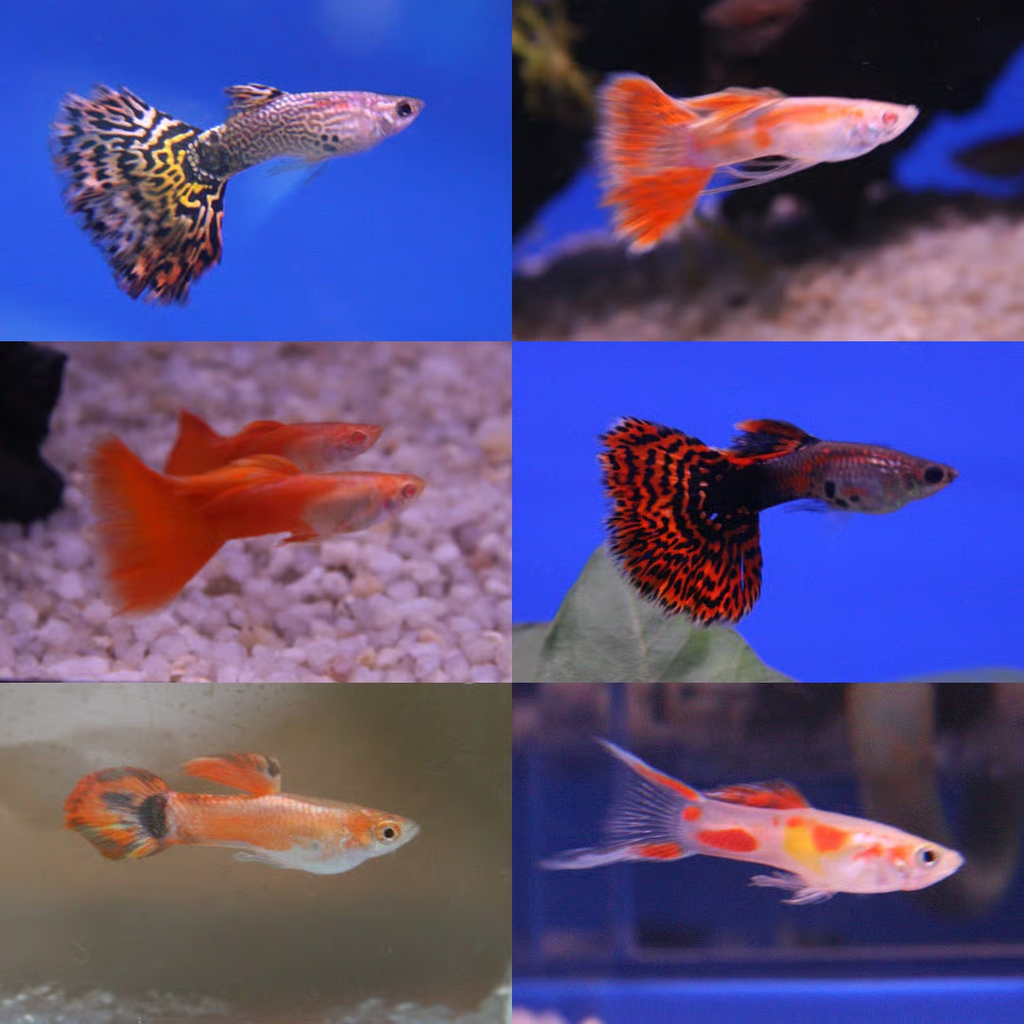

With their flowing fins and eye-catching colors, Koi Slayer fish bring a distinctive look to ornamental ponds and fish displays. Their long, trailing fins create a graceful swimming motion, making them easy to notice even among other colorful koi. For fish enthusiasts, this elegant appearance is part of the appeal. For importers, wholesalers, and retailers, it also creates an opportunity to offer customers an ornamental fish with a recognizable silhouette.
However, choosing Koi Slayer involves more than looking at color. Size, fin development, body condition, pattern quality, and availability can all influence a fish’s value. Understanding these factors helps buyers select suitable stock for their customers and make more informed purchasing decisions.
Whether you are expanding an ornamental fish collection or sourcing koi for commercial distribution, here is a closer look at Koi Slayer varieties, appearance, pricing, and care.
What Is a Koi Slayer?
Koi Slayer is a common trade name for koi with elongated, flowing fins. These fish are often associated with butterfly koi, also known as longfin koi, because their extended fins resemble the delicate movement of butterfly wings underwater.
Unlike koi with shorter fins, Koi Slayer can have noticeably elongated pectoral fins, pelvic fins, and tails. As they swim, these fins trail behind them, creating an elegant appearance that works particularly well in ponds with enough space for the fish to move freely.
Their appeal also comes from the variety of colors available. Depending on the individual fish, buyers may encounter white, metallic silver, gold, yellow, orange, red, black, or combinations of several colors.
For commercial buyers, the name alone should not determine a purchasing decision. Trade terminology can vary between suppliers, so it is worth confirming the fish’s actual characteristics, size, and color variety before placing an order.
Businesses sourcing ornamental fish from Indonesia can explore Aquazone Indonesia, an ornamental fish breeder and exporter supplying more than 500 fish varieties to international markets. Buyers looking for a best fish breeder in indonesia can consider the company’s export services when evaluating potential suppliers for their business.
Types of Koi Slayer: Popular Colors and Varieties
Koi Slayer can be distinguished by color, scale appearance, and pattern. Although some names refer to established koi varieties, others may be used as descriptive trade labels. Buyers should confirm the exact classification with their supplier, particularly when purchasing fish for a specific market.
1. Platinum Koi Slayer
Platinum Koi Slayer is associated with a bright, metallic white or silver appearance. Under suitable lighting, its reflective scales can give the fish a clean, luminous look.
The contrast between the pale body and long fins makes this variety attractive for ponds where the fish can be viewed from above. Its relatively simple color palette can also complement ponds containing koi with darker or more colorful markings.
When evaluating platinum specimens, look for an even appearance, healthy scales, intact fins, and normal swimming behavior. The degree of metallic shine and the overall condition of the fish may influence its perceived quality.
2. Metallic Koi Slayer
Metallic Koi Slayer varieties display reflective scales that catch the light as the fish moves. Depending on the individual fish and the trade name used, the coloration may appear silver, gold, or another metallic shade.
Their reflective appearance can make them particularly noticeable in outdoor ponds with good natural lighting. However, lighting conditions can affect how metallic coloration appears, so buyers should not rely entirely on heavily edited photographs.
For wholesalers and retailers, asking for recent photographs or videos of the available stock can provide a better idea of the fish’s actual appearance before purchase.
3. Yellow or Golden Koi Slayer
Yellow and golden Koi Slayer fish offer a warm, bright appearance. Their coloration can range from pale yellow to deeper golden tones, depending on the individual fish.
These fish can add a strong splash of color to an ornamental pond, particularly when displayed alongside white, black, or red varieties. The flowing fins further enhance their visual appeal as they move through the water.
When comparing specimens, consider the overall color distribution, body shape, fin development, and health rather than selecting solely on the intensity of the yellow coloration.
4. Red and White Koi Slayer
Red-and-white Koi Slayer fish combine contrasting colors with the flowing fins characteristic of the type. Some have large red or orange-red markings, while others display more irregular patches across a lighter body.
This combination can appeal to buyers who prefer traditional koi-inspired patterns. However, red-and-white coloration alone does not necessarily mean a fish belongs to a formally recognized pattern variety such as Kohaku.
For commercial orders, clarify the supplier’s variety name and grading criteria so that the fish delivered match the product description.
5. Black and White Koi Slayer
Black-and-white specimens provide a more contrasting appearance. Their darker markings can stand out against a pale body, creating a distinctive look without relying on bright red or orange coloration.
The pattern may differ from one fish to another, giving retailers opportunities to offer customers a varied selection. As with other varieties, the quality of the fish should be judged by its overall condition as well as its appearance.
6. Mixed-Color Koi Slayer
Some Koi Slayer fish display combinations of several colors, including white, orange, red, black, and metallic tones. These mixed-color specimens can be appealing to buyers looking for variety within a single collection.
Because individual patterns can differ considerably, bulk buyers should discuss whether they prefer assorted colors or a more consistent selection. This is particularly useful for retail businesses that organize fish by color, appearance, or price range.
For businesses researching types of koi slayer, it is worth confirming current availability and exact variety names directly with the supplier. Trade names can vary, and not every color description represents a separate formal koi classification.
What Makes Koi Slayer Different?
The most noticeable feature of Koi Slayer is its elongated fins. As the fish swims, the fins flow behind its body, creating a movement that distinguishes it from short-fin koi.
Its appearance can be especially impressive in a well-maintained pond with sufficient swimming space. Long fins create a graceful visual effect, while the fish’s coloration provides contrast against the pond’s water and surroundings.
However, elongated fins also require attention. Damaged or torn fins can affect the fish’s appearance and may indicate injury, poor handling, or unsuitable tankmates. Buyers should examine fin condition carefully before purchasing.
Body shape and general health matter just as much. A healthy fish should swim normally, maintain balance, and show no obvious signs of injury or illness. A visually attractive specimen is a better investment when its condition is also suitable for transport and continued care.
Koi Slayer Price: What Determines Its Value?
Koi Slayer prices can vary considerably. Size, color, fin development, body condition, availability, and supplier terms all influence the final quotation.
Rather than assuming that every fish of the same color has the same value, buyers should evaluate several factors together.
Size: Smaller fish may be more accessible for buyers seeking stock at a lower initial cost, while larger specimens may appeal to customers who want a more developed fish. Always confirm the actual size range before ordering.
Color and appearance: Clear coloration, attractive markings, and a well-developed appearance may increase a fish’s perceived value. The importance of these features depends on the variety and the preferences of the target market.
Fin development: Since flowing fins are a defining characteristic, their length, condition, and overall appearance can influence how a specimen is evaluated.
Health and condition: Fish with intact fins, healthy scales, and normal swimming behavior are preferable to specimens showing obvious damage or illness.
Availability and order quantity: Prices may change according to stock availability, demand, and the quantity purchased. Wholesale buyers should request quotations for their intended order size rather than relying on individual retail listings.
Shipping and documentation: For international buyers, the total landed cost may include freight, export paperwork, import permits, and other applicable charges. These expenses should be included when calculating the final cost per fish.
For an accurate comparison, request a quotation specifying the variety, size, quantity, packing arrangements, shipping costs, and applicable delivery terms. This gives importers and retailers a clearer basis for comparing offers.
How to Choose Healthy Koi Slayer
Selecting healthy fish is essential for hobbyists and commercial buyers alike. Careful inspection before purchase can help reduce avoidable losses and support better outcomes after delivery.
Start by observing how the fish swim. Healthy specimens should move normally and maintain their balance. Check the fins for tears or damage and inspect the body for visible abnormalities.
Next, ask the supplier about feeding routines, water conditions, and the fish’s recent handling. This information can help you prepare a suitable environment before the shipment arrives.
For bulk purchases, request recent photographs or videos of the available stock. If appearance and grading are important to your customers, agree on the relevant specifications before confirming the order.
Quarantine new arrivals separately from established fish and monitor them before introducing them to an existing pond. Appropriate quarantine practices can help reduce the risk of spreading disease between groups.
Basic Care Requirements for Koi Slayer
Koi Slayer requires suitable freshwater conditions, good water quality, and enough space to accommodate its growth. Although the fish may be sold at a small size, buyers should plan for its potential adult size rather than selecting a pond based only on its current dimensions.
Maintain Clean, Stable Water
Good filtration, adequate oxygenation, and regular water maintenance are essential. Monitor temperature, pH, ammonia, nitrite, and nitrate, and avoid sudden changes that can stress the fish.
Pond maintenance becomes especially important when several koi are kept together. Overstocking can increase waste and make it harder to maintain stable conditions.
Provide Sufficient Swimming Space
Koi need room to swim and grow. A suitable pond should accommodate their expected adult size and stocking density while providing adequate circulation and filtration.
Because Koi Slayer has elongated fins, avoid environments where sharp decorations or aggressive tankmates could damage the fins.
Feed a Balanced Diet
Provide a nutritionally appropriate koi diet based on the fish’s size, activity, and environmental conditions. Follow suitable feeding guidance and avoid overfeeding, which can contribute to declining water quality.
Monitor appetite and swimming behavior regularly. Changes in either can indicate stress or a water-quality problem that requires attention.
Handle and Transport Fish Carefully
Transport can be stressful for ornamental fish, making appropriate preparation and packing important. Buyers should understand the supplier’s handling procedures and prepare suitable receiving facilities before delivery.
For international shipments, confirm the documentation and import requirements that apply to the destination country.
Wholesale Sourcing: What Importers Should Consider
For importers, wholesalers, chain stores, and large retailers, purchasing Koi Slayer involves more than choosing attractive fish. A successful order also depends on availability, handling, documentation, and clear communication.
Before placing an order, consider the following:
- Confirm the available varieties, sizes, quantities, and dispatch schedule.
- Request recent photographs or videos when appearance is important.
- Ask about stock selection, health checks, and quarantine practices.
- Confirm how the fish will be packed and prepared for shipment.
- Clarify export documentation and destination-country import requirements.
- Establish how delivery issues should be reported and resolved.
- Discuss availability and quality expectations for future orders.
These steps can help businesses avoid misunderstandings and make purchasing decisions based on the full cost and requirements of a shipment.
Why Work With Aquazone Indonesia?
Aquazone Indonesia is an ornamental fish breeder and exporter supplying more than 500 fish varieties to international markets. For businesses sourcing live ornamental fish, its services address several practical aspects of the purchasing and export process.
Personalized consultation: Buyers can seek guidance when choosing varieties that suit their target market, preferred appearance, and purchasing requirements.
All-in-one export management: Coordinating paperwork and shipping can be complicated when importing live fish. Aquazone Indonesia provides support with export arrangements, helping buyers manage the process while confirming any destination-specific responsibilities.
Professional packing and handling: Careful packing and attention to water quality help reduce avoidable stress during transport and support safer delivery.
Post-delivery support: Aquazone Indonesia offers a process for reporting issues within 24 hours, with replacement as a possible resolution. Buyers should confirm the applicable terms and reporting requirements before ordering.
Long-term partnership commitment: Consistent communication and a focus on quality can help support repeat purchasing relationships. This can be especially valuable for wholesalers and retailers that need to plan stock and maintain a dependable product range.
For businesses building an ornamental fish collection, discussing expectations with the supplier before shipment can help align requirements for appearance, quantity, packing, and delivery.
Final Thoughts
Koi Slayer stands out for its elongated, flowing fins and the variety of colors available in the ornamental fish trade. Platinum, metallic, golden, red-and-white, black-and-white, and mixed-color specimens provide different visual options, although the exact naming of varieties may vary between suppliers.
When evaluating Koi Slayer, consider size, fin development, body condition, and health alongside coloration. Price comparisons should also account for order quantity, packing, shipping, and documentation rather than focusing only on the listed price per fish.
For importers, wholesalers, and retailers, careful sourcing and suitable holding conditions are essential to maintaining stock quality. Working with a supplier that provides clear communication and export support can make the process more manageable and help build a reliable long-term supply relationship.
About the Author