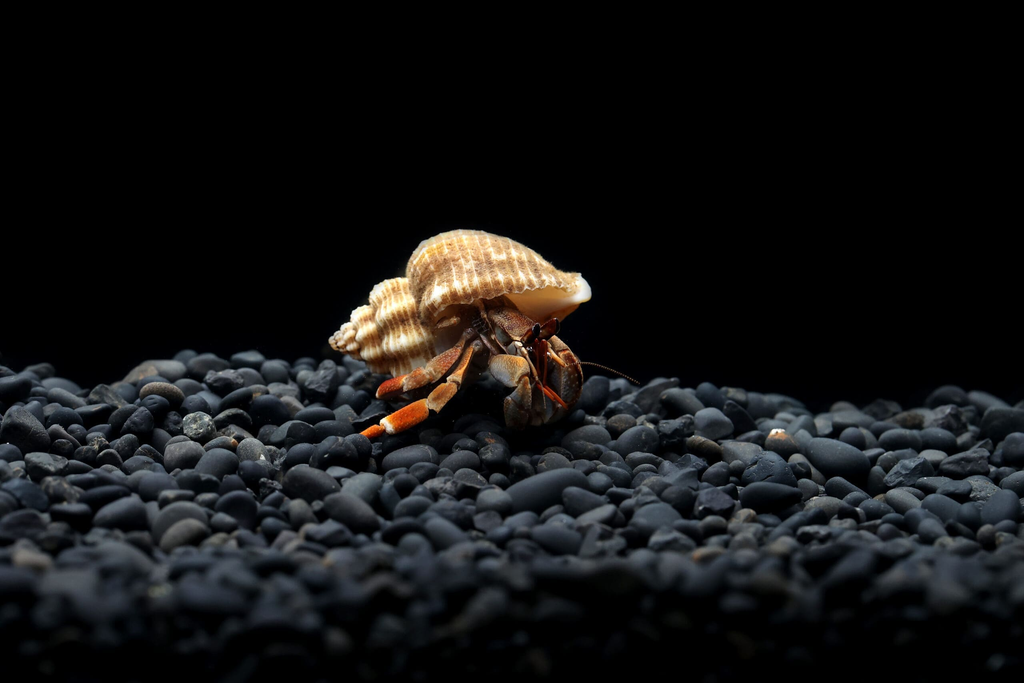

Ever watched a pet crab grab a piece of food with its tiny claws and carefully bring it toward its mouth? It is a surprisingly entertaining sight. These little crustaceans may not look like demanding eaters, but their feeding habits are more interesting than many aquarium owners expect.
So, what do pet crabs eat? The answer depends on their species, natural habitat, and nutritional needs. Some enjoy vegetables and plant matter, others actively search for small aquatic organisms, and many are opportunistic omnivores that appreciate a varied menu.
Understanding the right pet crab food is essential for maintaining healthy crabs, supporting normal growth, and creating a more enjoyable aquarium experience. Whether you are a beginner or an experienced aquarium enthusiast, here is a closer look at what belongs on a crab’s dinner plate.
What Do Pet Crabs Eat in the Wild?
Before choosing food for a pet crab, it helps to understand how these animals feed naturally.
Many crab species are omnivores. They consume a combination of plant material, algae, organic debris, and small animals. Some search for food along the bottom of their habitat, while others forage among plants, rocks, and submerged surfaces.
Depending on the species, their natural diet may include:
- Algae and aquatic plant material
- Fallen leaves and decomposing organic matter
- Small worms and insect larvae
- Tiny aquatic organisms
- Dead fish or other animal matter
- Naturally occurring microorganisms
This variety explains why feeding pet crabs is not simply a matter of dropping a few fish flakes into the aquarium.
Different species have different dietary requirements, and their food should reflect their natural feeding behavior as closely as possible.
1. Commercial Crab Food and Sinking Pellets
Commercial aquatic foods are among the most convenient options for keeping pet crabs well-fed.
Sinking pellets designed for crustaceans or bottom-dwelling aquatic animals can provide a useful nutritional foundation. They are especially practical for crabs that spend most of their time underwater.
Many formulations contain a mixture of proteins, plant ingredients, vitamins, and minerals. Some are also designed to support molting and exoskeleton development.
When choosing commercial pet crab food, consider the following:
- Select a product appropriate for the crab’s species.
- Check the ingredient list and nutritional information.
- Choose a pellet size that the crab can handle.
- Avoid feeding more than the animal can consume.
- Remove uneaten food before it begins to deteriorate.
Commercial food can be convenient, but it should not automatically be considered a complete diet for every crab species.
2. Vegetables: A Fresh Addition to the Menu
Many omnivorous crabs enjoy vegetables as part of a varied diet.
Suitable options may include small portions of:
- Zucchini
- Spinach
- Kale
- Cucumber
- Carrot
- Peas
Vegetables should be washed thoroughly and prepared appropriately. Depending on the type, lightly blanching them can make them softer and easier to consume.
Avoid seasoning vegetables with salt, oil, sauces, or spices. Fresh, plain ingredients are the better choice.
It is also important to remember that not every crab species has the same preference for plant-based foods. Vegetables can be useful additions, but they should not replace other necessary nutrients.
A little variety can make feeding time more interesting while helping prevent an overly repetitive diet.
3. Protein-Rich Foods for Omnivorous Crabs
Protein is important for many crabs because it supports growth, tissue maintenance, and other biological processes.
Depending on the species, suitable animal-based foods may include:
- Small portions of shrimp
- Fish flesh
- Bloodworms
- Insect larvae
- Other appropriate aquatic invertebrates
Frozen foods should be thawed properly before feeding. Fresh foods should be sourced safely and prepared without additives.
The amount matters just as much as the type of food. Large portions of protein-rich foods can quickly pollute aquarium water if they remain uneaten.
For this reason, offering small portions and observing feeding behavior is generally more practical than filling the aquarium with food.
4. Algae and Natural Aquarium Foods
Some crabs naturally graze on algae, biofilm, and organic material found on surfaces.
In established aquariums, these resources may provide additional opportunities for natural foraging. Crabs can explore rocks, plants, driftwood, and other surfaces while searching for edible material.
However, relying entirely on algae or aquarium leftovers is not a reliable feeding strategy.
Natural food availability varies considerably, and a clean aquarium may not contain enough resources to support a crab’s nutritional requirements.
A balanced feeding routine should therefore include appropriate supplementary foods.
5. Calcium and the Importance of Molting
One of the most fascinating things about crabs is their ability to grow by shedding their exoskeleton.
This process is called molting. During molting, a crab leaves its old outer shell and gradually develops a new one.
Calcium plays an important role in exoskeleton formation and hardening. A suitable diet and appropriate water conditions are therefore important considerations for crab keepers.
Depending on the species, dietary calcium may come from formulated crustacean foods and other suitable sources.
However, adding calcium supplements without understanding the animal’s needs is not necessarily beneficial. Water chemistry, particularly hardness and mineral availability, should also be considered where relevant.
When a crab is molting, avoid handling it unnecessarily. The animal is vulnerable while its new exoskeleton hardens, and it may temporarily become less active or stop eating.
Does Every Pet Crab Eat the Same Food?
Absolutely not.
This is one of the most important things to understand before purchasing a crab.
Vampire Crabs
Vampire crabs are primarily terrestrial and require a suitable land-based habitat with access to freshwater.
Their diet may include small insects, worms, appropriate protein foods, and plant-based ingredients. A varied feeding routine is generally more suitable than relying on one food source.
Thai Micro Crabs
Thai micro crabs are tiny freshwater animals that feed on small food particles and microorganisms.
Their size makes feeding particularly important. They may benefit from appropriately sized foods and access to suitable fine particles rather than large pellets intended for bigger crustaceans.
Red Claw Crabs
Red claw crabs are omnivorous and may consume plant material, algae, prepared foods, and animal-based foods.
Their brackish-water requirements should also be considered when maintaining them.
How Often Should You Feed a Pet Crab?
There is no universal feeding schedule suitable for every crab species.
Feeding frequency depends on the animal’s size, species, activity, habitat, and nutritional requirements.
Rather than following a rigid schedule, observe your crab’s behavior and adjust feeding accordingly.
A few practical guidelines can help:
Start with small portions. It is easier to add a little more food than to deal with excess food decomposing in the aquarium.
Observe feeding behavior. Notice whether the crab actively approaches food, ignores it, or appears to struggle with its size or texture.
Remove leftovers. Uneaten food can affect water quality and create unnecessary maintenance problems.
Avoid excessive feeding. More food does not automatically mean a healthier crab.
Adjust during molting. Some crabs naturally reduce their feeding activity during this period.
Consistency and observation are generally more useful than simply feeding large quantities.
Common Pet Crab Feeding Mistakes to Avoid
Even experienced aquarium enthusiasts can make mistakes when caring for unfamiliar crustaceans.
Here are several common issues worth avoiding.
Feeding Only Fish Flakes
Fish flakes may be accepted by some crabs, but they should not automatically become the entire diet.
Crabs have different nutritional needs from fish, and many benefit from a combination of suitable commercial foods and additional dietary variety.
Leaving Food in the Aquarium Too Long
Uneaten food can decompose, increase waste, and negatively affect water quality.
This is particularly important in smaller aquariums, where water conditions may change more quickly.
Offering Oversized Food
Food that is too large may be difficult for smaller crabs to handle.
Breaking food into manageable portions can make feeding easier and reduce unnecessary waste.
Ignoring Species-Specific Requirements
A diet that works well for one crab species may not be appropriate for another.
Before purchasing a new crab, research its natural habitat, feeding behavior, and nutritional requirements.
Choosing Healthy Ornamental Crabs for Aquarium Businesses
For importers, wholesalers, chain stores, and aquarium retailers, understanding crab nutrition is also valuable when developing product offerings.
Customers increasingly appreciate practical care information alongside their purchases. Retailers that provide clear feeding recommendations can help customers make more informed decisions and improve their overall aquarium experience.
Working with an experienced ornamental aquatic supplier can also support businesses looking to expand their product selections.
Aquazone Indonesia is an ornamental fish breeder and exporter supplying more than 500 ornamental fish varieties to aquarium markets worldwide. As a best ornamental fish exporter in Indonesia, the company supports buyers through personalized consultation, helping them select suitable species for their target markets.
Its export services include documentation and shipping coordination, professional packing and handling, and strict water-quality control during preparation.
Aquazone also provides post-delivery support, allowing buyers to report issues within 24 hours for resolution through its replacement process.
For businesses exploring ornamental crustaceans, the wholesale crabs supplier Indonesia category offers a starting point for discovering available crab varieties.
Building long-term partnerships around quality, communication, and consistent supply can help aquarium businesses maintain dependable product offerings while serving their customers more effectively.
Final Thoughts: A Better Menu Means a Better Crab Experience
Pet crabs may be small, but their dietary requirements deserve plenty of attention.
The best pet crab food depends on the species, its natural feeding behavior, and the environment in which it lives. Commercial pellets, vegetables, suitable protein sources, and naturally occurring foods can all play a role in the diets of certain crabs.
The key is understanding what your particular crab needs rather than assuming every species eats the same thing.
With proper feeding, suitable water conditions, and a little patience, these fascinating crustaceans can become rewarding aquarium inhabitants.
And the next time your crab grabs a tiny piece of food with its claws, you will know that there is much more happening at dinner time than meets the eye.
About the Author