
Modern relationships are no longer shaped only by face-to-face chemistry. They are increasingly influenced by digital behavior patterns-subtle interactions, scrolling habits, content preferences, and emotional expression online. These fragments actively form a psychological blueprint of who a person is, even before a real conversation fully unfolds.
In this environment, creating meaningful experiences is no longer about choosing “nice places.” It is about understanding personality structure and translating it into meaningful moments. That is where personalized date ideas become powerful-they turn observation into emotional alignment rather than random planning.
Digital Behavior and the Psychology Behind Attraction
Every person leaves behind behavioral traces in digital spaces. These signals, when observed carefully, reveal more than casual conversation ever could.
Key behavioral indicators include:
- Consistent engagement with specific types of content
- Reaction style (quick likes vs selective interaction)
- Emotional tone in comments or replies
- Interest clusters such as travel, fitness, or arts
- Time patterns of online activity
These patterns actively shape perception. Yet most people ignore them or misinterpret them entirely, leading to weak or mismatched planning when designing personalized date ideas.
Why Personality-Based Planning Matters More Than Ever
Two people may enjoy completely different emotional experiences from the same activity. A café date might feel exciting for one person and completely dull for another.
Common planning mistakes include:
- Choosing activities based on trends instead of personality fit
- Ignoring emotional energy levels of a partner
- Repeating similar date formats too often
- Overestimating interest based on short conversations
- Failing to adapt experiences to personality type
Strong personalized date ideas do not come from guessing-they come from alignment. When personality is understood, even simple experiences feel deeply intentional and memorable.
Without that understanding, even expensive plans can feel emotionally flat.
The Hidden Limits of Human Interpretation
Most people rely on intuition, memory, and conversation snippets to understand what their partner might enjoy. While this feels natural, it is often incomplete.
Manual interpretation struggles with:
- Inconsistent digital behavior across platforms
- Emotional bias when recalling past interactions
- Misreading indirect signals or silence
- Lack of long-term behavioral tracking
- Overdependence on verbal communication alone
As a result, personalized date ideas often become uncertain experiments rather than informed decisions. The emotional intention is strong, but execution lacks precision.
When Understanding Turns Into Emotional Precision
Once behavioral understanding improves, planning becomes significantly more intentional. Instead of guessing what might work, individuals can align experiences with real personality patterns.
This shift allows:
- Stronger emotional compatibility in planning
- Reduced uncertainty in decision-making
- More engaging shared experiences
- Better timing in relationship progression
- Higher satisfaction during real-life interaction
At this stage, personalized date ideas evolve from simple suggestions into emotionally intelligent experiences designed around personality structure.
Socialprofiler AI Chatbot: Decoding Personality Through Digital Behavior
As digital behavior becomes more complex, interpreting it manually is no longer enough. The Socialprofiler AI Chatbot is designed to analyze public social media activity and convert it into structured insights about personality, interests, and lifestyle patterns.
Instead of relying on guesswork, users can use it to understand behavioral tendencies that directly influence relationship decisions and experience planning.
This creates a shift from assumption-based dating to insight-driven connection building.
Personality Mapping Intelligence System
The core function of the Socialprofiler AI Chatbot is to map personality traits based on behavioral signals. It analyzes interaction patterns to identify emotional consistency, preferences, and engagement styles.
This directly improves the quality of personalized date ideas by ensuring they are based on real behavioral evidence rather than surface-level impressions.
Interest and Lifestyle Behavior Decoder
This module organizes scattered online activity into structured lifestyle categories. It identifies what a person consistently engages with and how their interests evolve over time.
Key outputs include:
- Dominant lifestyle categories (travel, food, entertainment, fitness)
- Engagement frequency patterns across topics
- Emerging interest shifts and evolving preferences
- Stability of long-term interest behavior
These insights make it easier to design personalized date ideas that feel naturally aligned with real preferences instead of random choices.
Emotional Pattern Interpretation Layer
Beyond interests, the system evaluates how a person interacts emotionally in digital environments. It observes communication tone, response behavior, and engagement consistency.
This helps identify comfort levels and emotional tendencies, which are crucial for building personalized date ideas that match not just interests, but emotional readiness and social compatibility.
Socialprofiler AI Chatbot: Relationship Context Awareness Engine
One of the more advanced functions of the system is understanding relational context based on behavioral signals. It helps interpret whether interactions suggest early curiosity, developing connection, or deeper emotional bonding.
This matters because personalized date ideas must match the emotional stage. A mismatch between stage and experience often reduces impact, even if the activity itself is enjoyable.
Socialprofiler AI Chatbot: Real-World Experience Translation System
The final layer transforms digital insights into actionable real-world suggestions. Instead of abstract analysis, it provides direction for actual planning decisions.
It bridges the gap between online behavior and offline experiences, helping users design moments that feel aligned, thoughtful, and emotionally resonant.
Personality Types and Matching Date Ideas
Understanding personality makes date planning far more effective. Here are examples of how personality alignment shapes experience design:
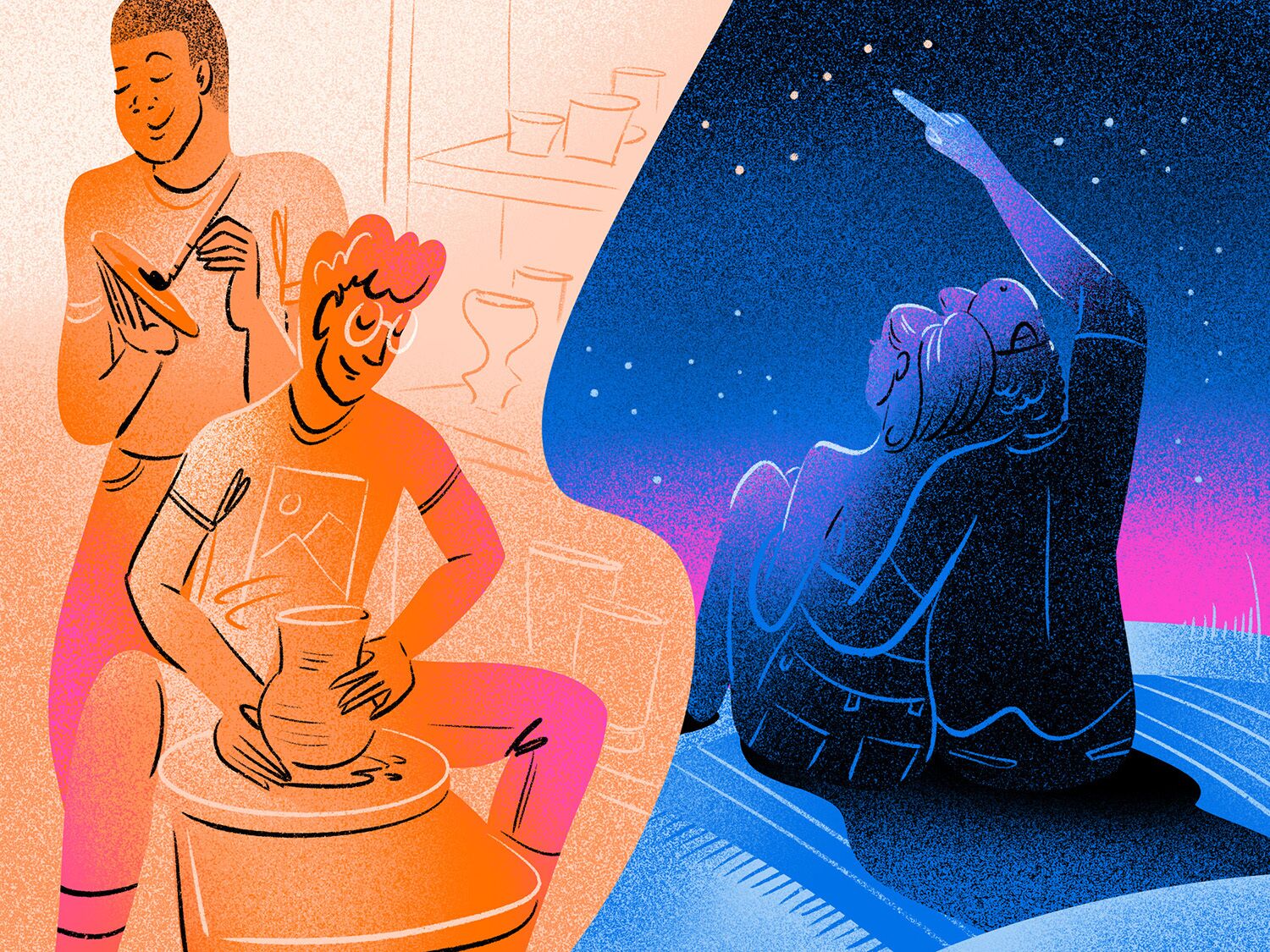
- Creative personalities → art galleries, DIY workshops, aesthetic cafés
- Adventure-driven personalities → hiking, travel exploration, outdoor activities
- Calm introverted personalities → quiet dinners, bookstores, nature walks
- Social personalities → events, group activities, interactive experiences
When aligned properly, personalized date ideas feel less like planning and more like natural emotional flow.
Conclusion: Where Personality Meets Experience
Modern relationships are shaped by both emotional intuition and digital behavior. When these two layers are understood together, planning becomes more precise, meaningful, and impactful.
Instead of relying on generic templates or repeated ideas, personality-based understanding allows experiences to feel truly connected. In the end, the quality of personalized date ideas determines not just how moments are spent-but how deeply they are remembered.
About the Author