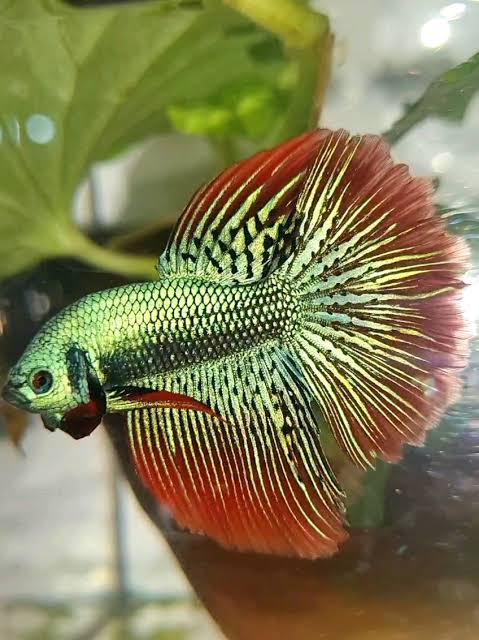
The halfmoon betta is one of the most striking fish in the aquarium hobby. When fully flared, its tail opens into a dramatic, 180-degree semicircle resembling a tiny folded fan. It is easy to see why this variety has become a staple for hobbyists, specialty shops, and ornamental fish buyers alike.
For commercial importers, wholesalers, and retail chains, however, good looks are only part of the equation. Consistent quality, healthy stock, reliable packing, and dependable export support matter just as much.
Here is a practical look at what makes the halfmoon special, how to care for it, and what commercial buyers should consider when sourcing this popular species.
What Is a Halfmoon Betta?
The halfmoon is a selectively bred variety of Betta splendens (the Siamese fighting fish). Its defining feature is its caudal (tail) fin, which spreads into a sharp “D” shape when fully flared. The International Betta Congress (IBC) uses this 180-degree spread as the standard for the variety.
“Halfmoon” refers strictly to the tail shape, not the color. They come in virtually every color pattern imaginable—red, solid blue, white, metallic, marble, and koi—giving retailers plenty of visual variety without having to manage multiple different species.
Aquarium Setup & Care Basics
Because of their long, delicate fins, halfmoon bettas require a slightly tweaked setup compared to short-finned fish:
- Tank Size: A minimum of 5 gallons gives them room to swim and keeps water parameters stable.
- Temperature: As tropical fish, they need warm, stable water between 75°F and 80°F (24°C–27°C). Sudden temperature swings cause stress and weaken immunity.
- Gentle Filtration: Heavy currents exhaust long-finned fish. Use low-flow sponge filters or adjustable power filters to keep the water clean without creating strong currents.
- Safe Decor: Sharp plastic plants and rough rocks easily tear fins. Stick to live plants, silk options, or smooth driftwoods.
- Nutrition: Feed high-quality protein pellets, supplemented occasionally with frozen or live foods (like bloodworms or brine shrimp). Avoid overfeeding, which ruins water quality.
Sourcing Considerations for Commercial Buyers
When buying for retail or distribution, selecting stock involves more than just picking the brightest fish.
Evaluating Quality
Look for active, responsive fish with clean body lines, clear eyes, and undamaged fins. Consistency is critical for bulk orders—a reliable exporter should deliver uniform sizing, healthy body condition, and agreed-upon color ratios across every shipment.
The Role of Export Support
Navigating international livestock shipping requires precise health certifications, proper packing densities, and quick logistics management. Partnering with an experienced fish exporter ensures that stock arrives healthy and customs paperwork is handled correctly.
For businesses expanding their catalog, working with a partner that offers a broad range of freshwater fish makes it significantly easier to consolidate shipments, lower freight costs, and maintain a steady supply line.
Common Mistakes to Avoid
- Tanks that are too small: Bowls and micro-containers make it almost impossible to maintain water quality or temperature stability.
- Strong filtration flow: High flow rates force the fish to constantly fight the current, leading to exhaustion and fin damage.
- Incompatible tank mates: Avoid fin-nippers (like tetras or barbs) and keep male bettas strictly separated.
- Overfeeding: Excess food quickly degrades water parameters, leading to fin rot and bacterial infections.
The halfmoon betta remains one of the most dependable sellers in the trade. By pairing proper husbandry advice for retail customers with a strong, reliable supply chain for imports, store owners and distributors can ensure long-term success with this popular variety.
About the Author